Expectations

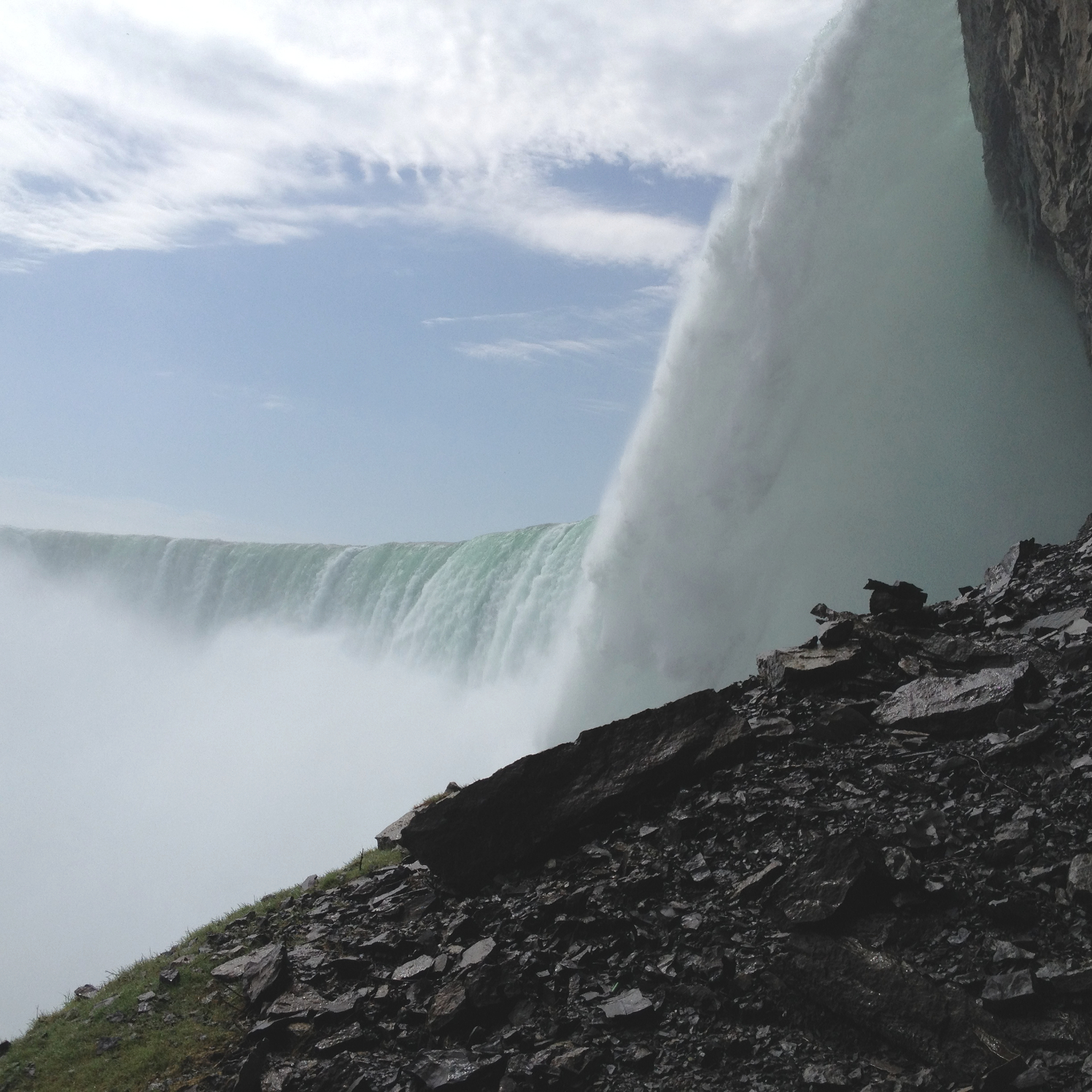
Back from a couple of days at Niagra Falls, first on the American side, and then on the Canadian. Tons of pictures, most of which I will not post here. Regular vacation shots, that kind of thing. I am going to post this shot from the gorge just beneath the Canadian Horseshoe Falls. Impressive, isn’t it? Watching the Niagra River as it speeds along the channel then makes a sweeping left turn just before it plummets into the gorge below is almost as impressive as the falls itself.

And yet, in the paraphrased words of the non-immortal Lord Voldemort, “I confess myself…slightly disappointed.”

The reason I am slightly disappointed is rooted in what appears to be a universal truth—Nothing is as good as you imagined it to be. Yes, Niagra Falls was incredible. Awe-inspiring. Beautiful. All those things, and yet…just not what I imagined. I’d been hearing about Niagra Falls all my life. I expected several hundred feet high, glistening rainbows everywhere (other than the few there were), a roar to drown out thunder! It was surely something, all right, just not quite all that, because nothing ever could be. It’s not a shortcoming of the Falls, it’s a hyper-heating of the imagination. Expectations.

Applies to many aspects of writing as well. Something along the lines of “I envisioned an Eagle and labored to produce a sparrow.” No matter how good (or bad) a finished book is, it’s never quite as good or pure or powerful or…whatever, as you envisioned it. That’s par for the course. Sometimes you get lucky and the book is different from what you imagined, and that’s almost always a good thing.
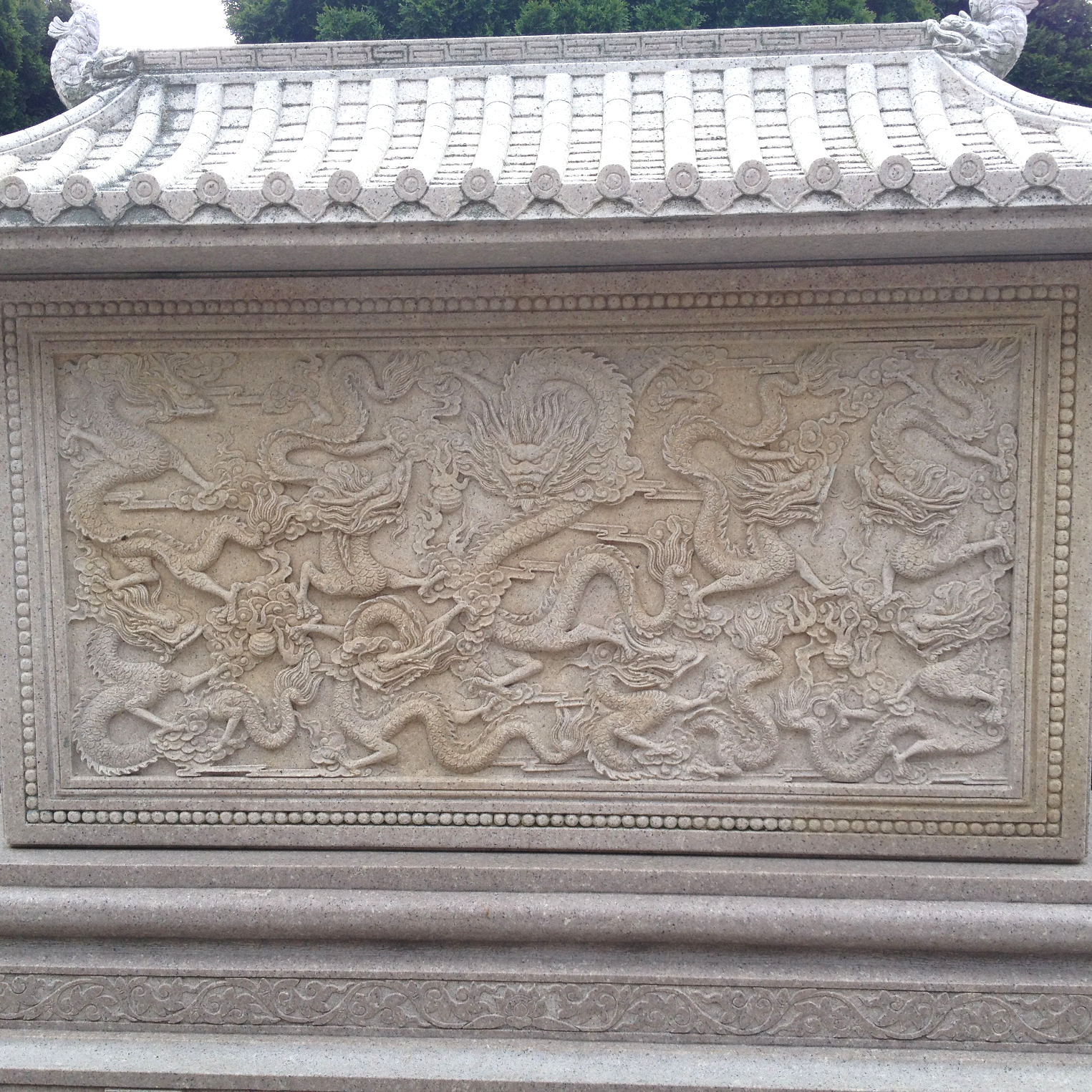
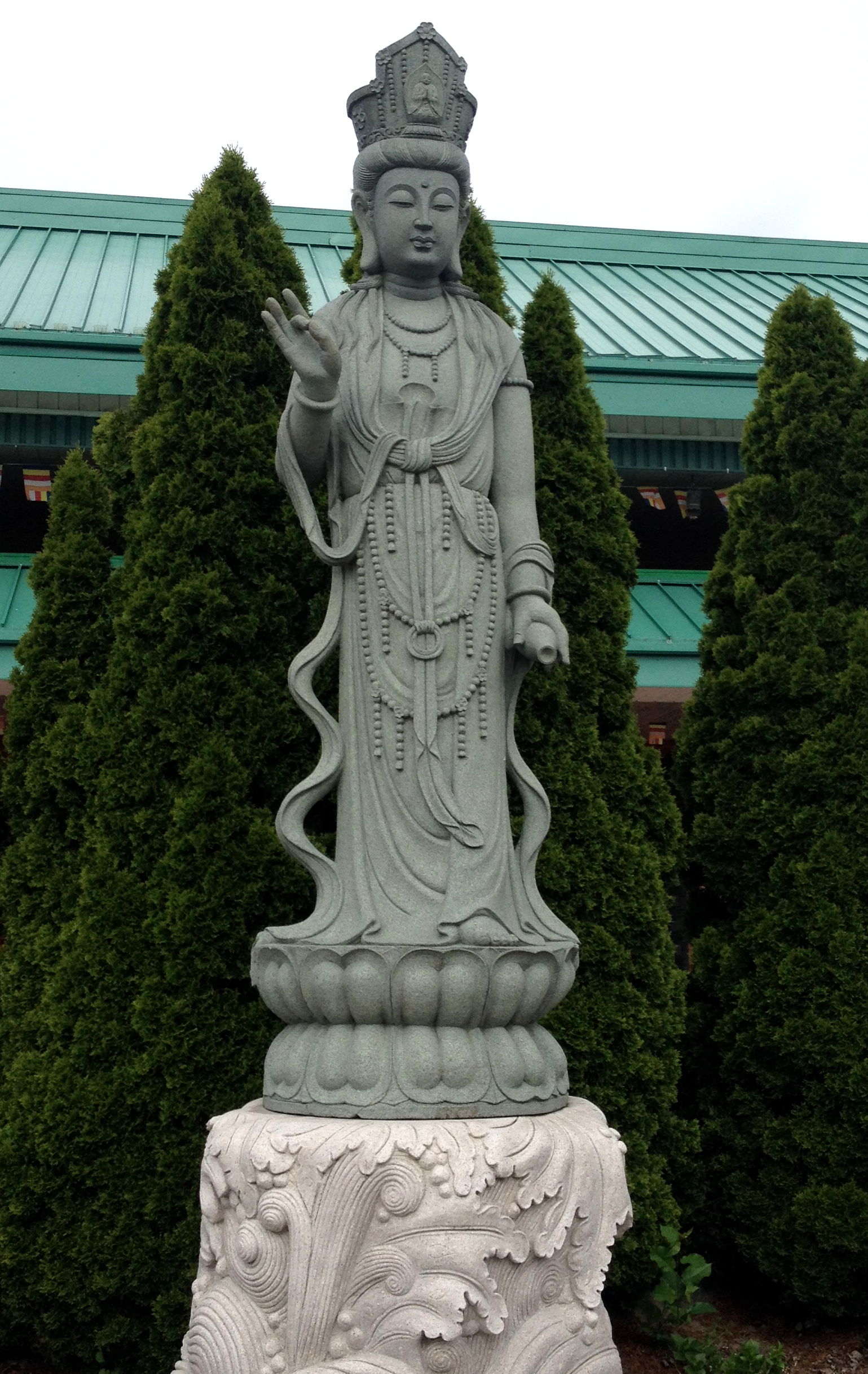
Speaking of different, there are other things to see aside from the Falls. There was a butterfly conservancy, which was lovely, and then there was Cham Shan Temple. Here my experience was likewise different, because I didn’t know about it ahead of time and therefore had no expectations whatsoever, so it easily exceeded all of them. I think perhaps it would be a good thing to approach other areas in life and work with the same attitude—no expectations, simply being open to the experience, whether it’s a vacation or a new story. That way it’s all about the discovery, and not about what you expect.

I can’t imagine that would ever be disappointing. Even slightly.
 

Waiting

Waiting again. This time for the furnace technician. The same boiler that serves our radiators also feeds the hot water heater, of which at the moment we have none (hot water, that is). So. Waiting. I should be better at it by now. In this avocation you certainly get a lot of practice.

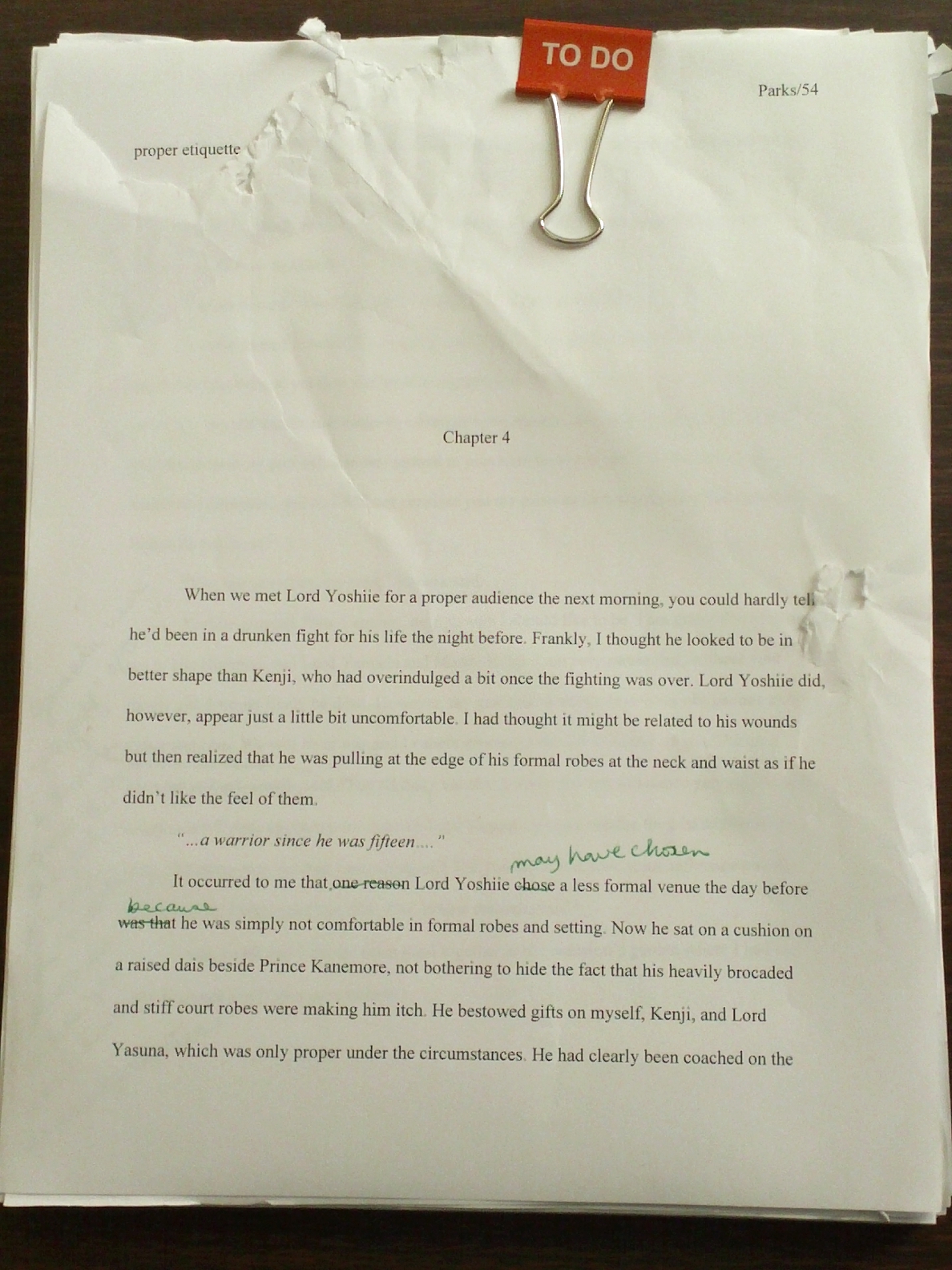
The advice everyone hears, once a piece of writing has been submitted, is: Don’t Wait! Write! It’s good advice so far as it goes. For one thing, it keeps you doing what you should be doing anyway. For another, there’s a good chance you’ll have a finished piece ready to submit elsewhere before the first one sells or comes flying back (Figuratively, as almost no one does that now. It was a paper thing.) Never having to pin all your hopes on just one possibility, which may (likely will) disappoint you. Doing your work, also a coping mechanism for waiting.

But you wait anyway, despite all the defenses and deflections and denials. There’s that one market you really, really want to crack before you die. There’s a special piece that you just know is the best thing you’ve ever done and you want it Out There! Rather than sitting in some editor’s queue. And if it gets bought, then you’re waiting again, until it’s actually out there, which means there are lead times and what’s bought in March doesn’t get published until October, if you’re lucky. For books it’s even longer as a rule. Before you even get to that point there are edits to get through, and then you’re waiting (again) for editorial approval of the changes, or more corrections and the process starts again…. Then there’s the gap between buying and the check arriving, and don’t get me started on that.

Waiting.

I seem to be living in reverse. When I was younger, I had more patience. I find it’s a scarcer commodity as time marches on. Too conscious of the passage of time, too aware that the time to get things done and find whatever it is you’re trying to find in your work, in yourself, is very finite. Any time spent waiting feels like wasted time, even when you’re not just waiting, you’re also waiting. There’s no real escape from it. Just make it share the time it wants to take from you with whatever doesn’t involve waiting. You can’t get rid of it, but at least you can make it earn its keep.

Words I Hate, Continued

Writers are among those weird groups of people who actually care about words. We’re a long way from the only ones, of course: Language professors, lawyers, English/French/Spanish/etc  majors…the point being that there are people who actually believe that words matter. How they’re used and misused, what power they have. So when I say, as I have before, that there are certain words I absolutely despise, understand it comes from a place of caring. You have to care about something in order to despise it properly. Works for hating something, too. As in the old illustrative exchange:

“He hates me!”
“He doesn’t hate you. He doesn’t care enough about you to hate you.”

I’ve already talked about “impacted” vs “affected.” Today I’m going to mention another one.

“Consumer.”

I really hate that word. Or rather, I hate the usage it’s been put to by every shill marketer in the whole damn world. Whenever some Conglomerate goes on the tv and pitches “Products for the discriminating consumer” I don’t picture a discriminating anything. I picture this mindless maw gobbling down every piece of crap thrown at it.

Do writers look at readers that way? I doubt it. While “consuming” might be a useful metaphor for a certain type of reader at a certain stage of their awakening(me included), it is literally not true. You read a book, anyone’s book or story, and the book/story is still there. Anyone could still read it. You can pass it on to another (and we love you if you do) saying, “You gotta read this.” Maybe that next person would become our customer/reader too. Readers have tastes. They either like your stuff or they don’t, given the chance to try it, but there’s nothing mindless about their reactions.

I’ll give farmers a pass because we really do consume their products, and bless them for their service. But then, except for the occasional farmer’s market, we rarely do this directly where I live. It usually goes through distribution and into a grocery store. Whose customers we are, not consumers.

I understand why “consumer” is a useful term for the average marketer. I know that’s how they want us to think of ourselves, which is why they say “consumer” rather than “customer.” I know that’s exactly how their customers are viewed. It’s easier to think of a mindless, indiscriminate consuming maw rather than people, who have quirks and want something better than is usually on offer. Sorry, but I am your customer, not your bloody consumer. Though if you keep pitching crap at me I won’t even be that. Fire is a mindless consumer. I’m not, and neither are the rest of us.

Forget that at your peril.


Freeing the Ladybugs

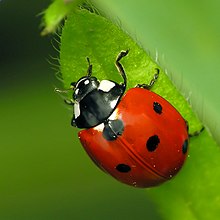
Ladybugs don’t belong inside. Nothing I’ve read so far reports on this habit of theirs, but I’ve noticed that sometimes Ladybugs apparently find a way inside a house to lay eggs (or the larvae crawl in), and then, when these hatch, can’t find their way out again. Too often I find their sad little dried out exoskeletons in a windowsill, inches away from freedom and whatever they had planned for their lives. Eating aphids? Probably. Spawning? Surely.
The last few days have involved painting the area around certain windows in preparation for removing the nasty old blinds that came with the house and replacing them with clean modern shades. Which has dictated a lot of time futzing around windowsills, and finding the ladybugs congregating there in twos and threes or whatever. So I have to pause whatever I’m doing and free them. I used to do the same thing at my old place of work, again in the spring when they start hatching out. It’s kind of annoying, really, and the ladybugs aren’t usually cooperative, but I have the compulsion. I probably don’t do a lot of good. Maybe it does no harm.

I think of the story of two people walking along a beach where thousands of starfish have been washed up in a storm. As they walk, one paused to pick up a still-living starfish and toss it back into the sea. “Wait a minute,” says the other. “There are many thousands of starfish here. Do you really think that made a difference?” The first just shrugs. “Sure made a difference to that one.”

Well, That Was Just Careless

After getting a couple new submissions under my belt I thought perhaps I should take another stab at organizing my story files a little better. I tended to let that slip a bit when I was concentrating mostly on novels, but since I want to do both, it doesn’t help to neglect one in favor of the other. Anyway, I was going over my submissions files, cross-referencing with my finished stories and noticed something odd.

I have lost a story. Completely. Gone. Poof.

I have no idea of how I managed this feat. I’m usually pretty careful about keeping copies and backups and such. I did have that one scare last year when I was certain I’d lost everything, but fortunately it didn’t turn out that way when I found, you guessed it, a current backup, so I was at least reasonably certain that the story I was missing could be found in my files.

Nope.

I knew I wasn’t imagining writing that story. I wrote the bulk of it during a meeting of my old writer’s group. It wasn’t anything earth-shattering or such; it was just a fun story that I hadn’t done anything with as far as subs go, since I couldn’t think of the right market for it. I’m still not sure there is one, only now I’ll have to rewrite the thing–literally. I can do it. I remember enough of the plot and tone so that I’m at least reasonably confident I can recreate it. Still, more work for something that should already be done.

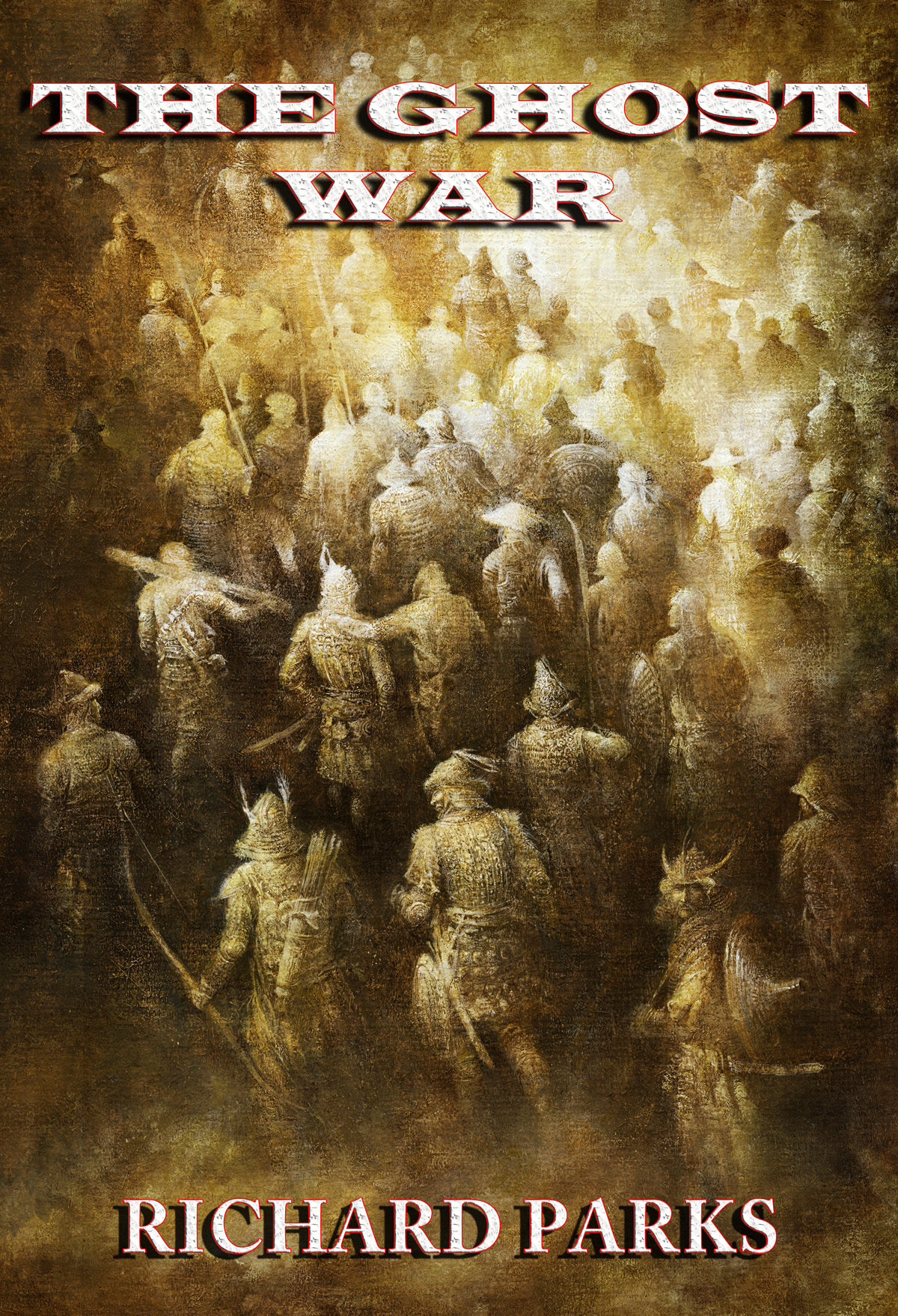
In penance, I’m putting up a new Story Time. I was about due anyway. This one is “A Pinch of Salt” from MYTHIC #2, edited by Mike Allen.