
In sf/f there’s always one or more teapot tempests at simmer, waiting to come to a boil when the previous one, so to speak, runs out of steam. Every now and then, however, the tempest turns out to be a typhoon too big for that metaphorical pot, and it’s time to sort out where one stands.
Why? Greater or lesser, don’t these things always blow over eventually?
Sure they do. The question is, how much wrack and damage do they leave behind? How many reputations tarnished, friendships weakened or destroyed? How completely does our sense of sf/f as our “tribe” fail in the face of the latest reality check? None of these are good things, and standing idly by while it all happens is to share in the blame, whatever does happen. Certainly, it’s one thing to throw gas on the fire, but it’s not so very different to pretend that the fire doesn’t exist. Either way, the house burns down.
So here I am contemplating a lapel pin I received at World Fantasy Con in Washington, D.C., way back in 2003. It’s a copy of the World Fantasy Award in miniature handed out to the nominees and based, as is the WFA itself, on Gahan Wilson’s caricature of Howard Phillips Lovecraft. It’s the public face of the award and has been so as long as I can remember. And, as others have pointed out, H.P. Lovecraft was a virulent racist. Continue reading →

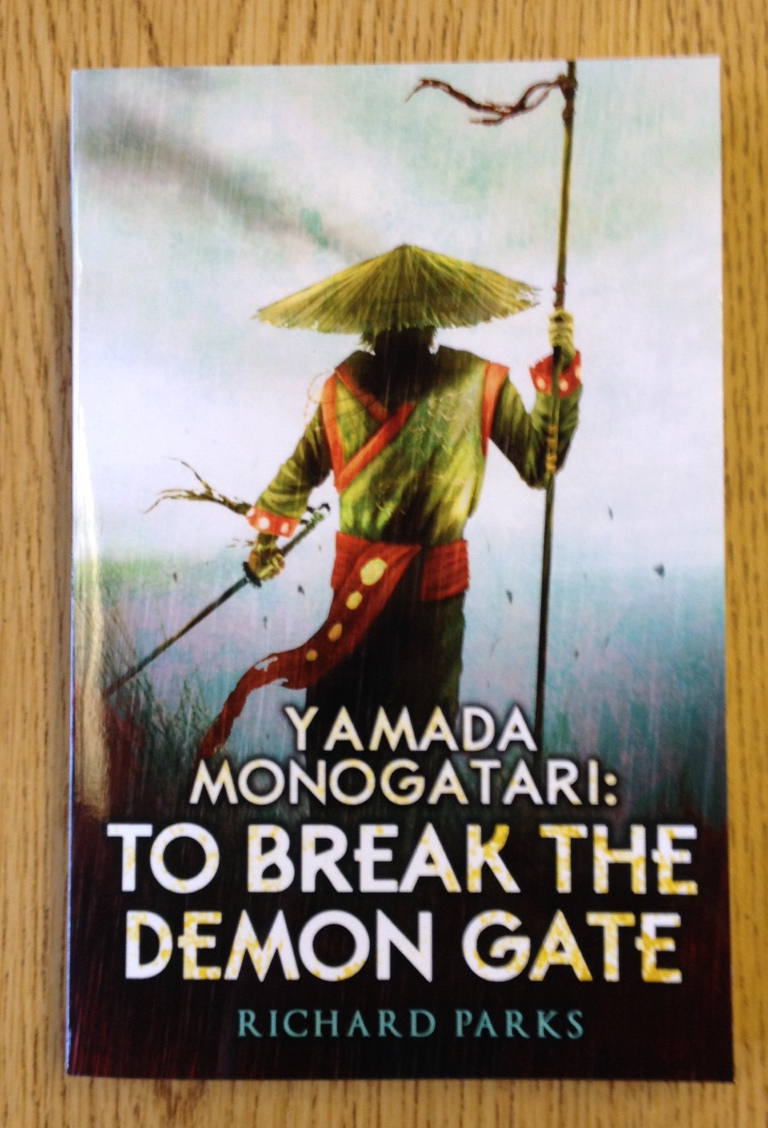
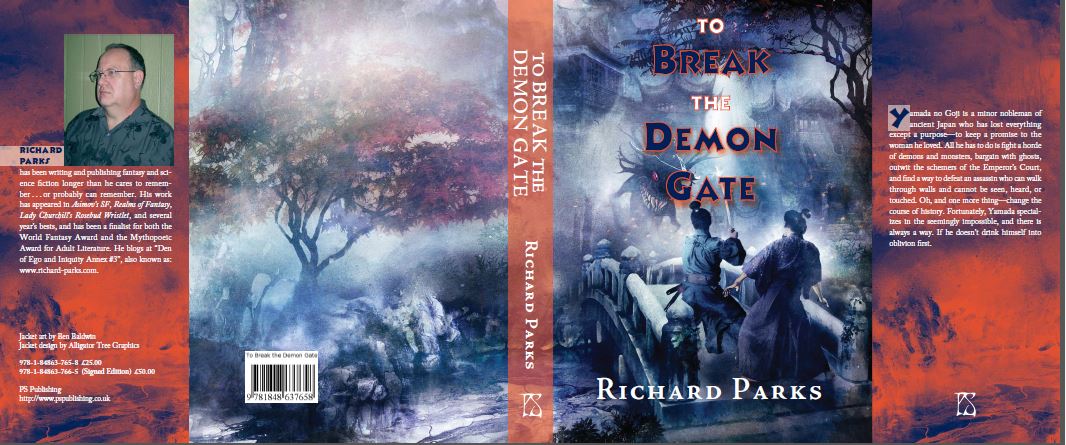

 None of what follows negates what I said in the previous post, “The Selfish Meme,” but as with anything more complicated than a carpet tack–say, for instance, a human being–there’s always more to the story. I was recently reminded of a writer friend who had asked a question in her journal about early influences. Lots of people contributed but I wasn’t much help. It occurs to me that’s because the biggest very early influence–so early it was many years before I even thought about writing–wasn’t necessarily a single author–it was a collection of books ( I said I couldn’t hold it to 15). Specifically one of those cheap sets of children’s books they used to sell to young mothers back in the fifties and sixties. My mother was a hard working single mom with not a lot of cash back in the day and she was certainly the target audience, so to amuse me and my sisters she bought one.

