
 In the olden days—maybe no further back than the sixties and seventies—writers used to brag about never having to revise. “First drafts are final” was the saying. Which made sense only a little further back in time during the pulp era when you were trying to make a living writing for 50+ different pulp magazines at a penny a word. Spend too much time revising and you’d spend the rest starving. I imagine a lot of that attitude was a holdover from those halcyon days but, as a more recent wisdom has it “Writing is revising.” Also not completely true on the face of it. Without a first draft, there is no revising. It’s more accurate to say writing begins with the first draft, it just doesn’t end there. It’s called “first draft” for a reason. Continue reading
Category Archives: Publishing
The Biter Bit
 There was a time when I considered myself primarily a short story writer. I mean, other than the occasional review, that was mostly what I did and what I was, above all else and proud of it. This despite the fact that I had written over ten novels at the time, which of course I did not consider a contradiction. A story was a story, and some were longer than others. That was all there was to it, so far as I was concerned. However, I did have clear ideas about what was and was not a short story, none of which would fit into any academic definition. I knew one when I read one, contrariwise I knew when one wasn’t and tended to get a little miffed when I read a story in a magazine or collection, said story not living up to my own personal definition. “That’s not a short story, it’s an excerpt from a novel!” was my rallying cry.
So how did I know this? I didn’t, really. It was just something that seemed obvious to me. Someone clipped out a section of a novel, maybe smoothed the edges over a bit, emphasized the self-contained elements and downplayed those which implied matters outside itself in a cynical ploy to pick up a quick check and possibly some free advertising for the eventual book. Sometimes I’d give them a break because I knew the writer was primarily a novelist and probably couldn’t write a proper short story with a gun to their head. Ahem. As I said, it used to annoy me a little. I mean, if you’re in a short story market, write an actual short story, not this patchwork pretender!
Yeah, about that… Continue reading
Remembering Good Things
 Now that the second file cabinet is a file cabinet and not just a pile of particle board, it was time to transfer the last of my paper files from the box they were living and traveling in to their new home. Which naturally involved going through them all during the transfer process. I’d already done one huge purge before we moved, but that didn’t mean I couldn’t make more space. After all, most files are electronic these days, even if paper is still best suited for some things, aside from the recycle bin. Sure enough, several times I ran across folders full of errata that had me scratching my head. “Why, in the name of all that’s holy, did I save that?”
Yet there were many more instances where the question didn’t even come up. Like back in the day when Parke Godwin sent me an example of a novel pitch he used when selling one of the wonderful Arthurian novels he did. As I’ve said before, what little I know about writing novel synopsis and pitching, I learned from him. Or copies of (rare) fan letters, including one for my first collection, The Ogre’s Wife from one of my favorite artists. It was a boost, at a time I really needed one. As with my good fortune in marrying First Reader, and the help and encouragement—and Dutch Uncle severity, when needed—I got from Pete Godwin, you can’t always depend on those things along the way. So when it happens, count yourself lucky, and don’t forget. Pass it on when you can, but above all, be aware.
We like to talk about writing as a solitary profession, and mostly it is. So often it’s just you, putting your butt in the chair and facing down the blank page/screen. Yet now and then along the way, alongside the confused/bad reviews and rejections, odds are you’re going to get a hand up. Sure, be proud of what you’ve accomplished, since you did almost all of it yourself. Just remember the “almost” part and don’t forget to be grateful.
Business As Usual — For Some Things
There’s something about a deadline that focuses the mind wonderfully. Even a self-imposed deadline, like this one. I am determined, whenever possible, to have these blog posts done and ready to post every Monday. Why Monday? Because it’s better to start at the beginning, which is what Monday is for most people on a weekly schedule. There’s some logic to it.
Business as usual, right? Like before I started this post, I processed a rejection and got the story back under submission. Everyone gets rejected at some time or another, or even regularly. If you want to write for publication and can’t deal with that, find another avocation. You can’t even dodge it by self-publishing, since then readers have a direct chance to reject what you’re doing. It’s always going to hurt, even after you’ve done it for years and years and develop the thick skin necessary to keep going. I could even say “get used to it” but that would be hypocritical, since I never have. I accept it, since the irony is this is all you can do with rejection. Just move on to the next possibility, and keep working so there always is another possibility.
Speaking of which, time to figure out what the next novel is going to be. I think I know. I hope I’m right. Back to business….
Third Time’s Not Necessarily Charming
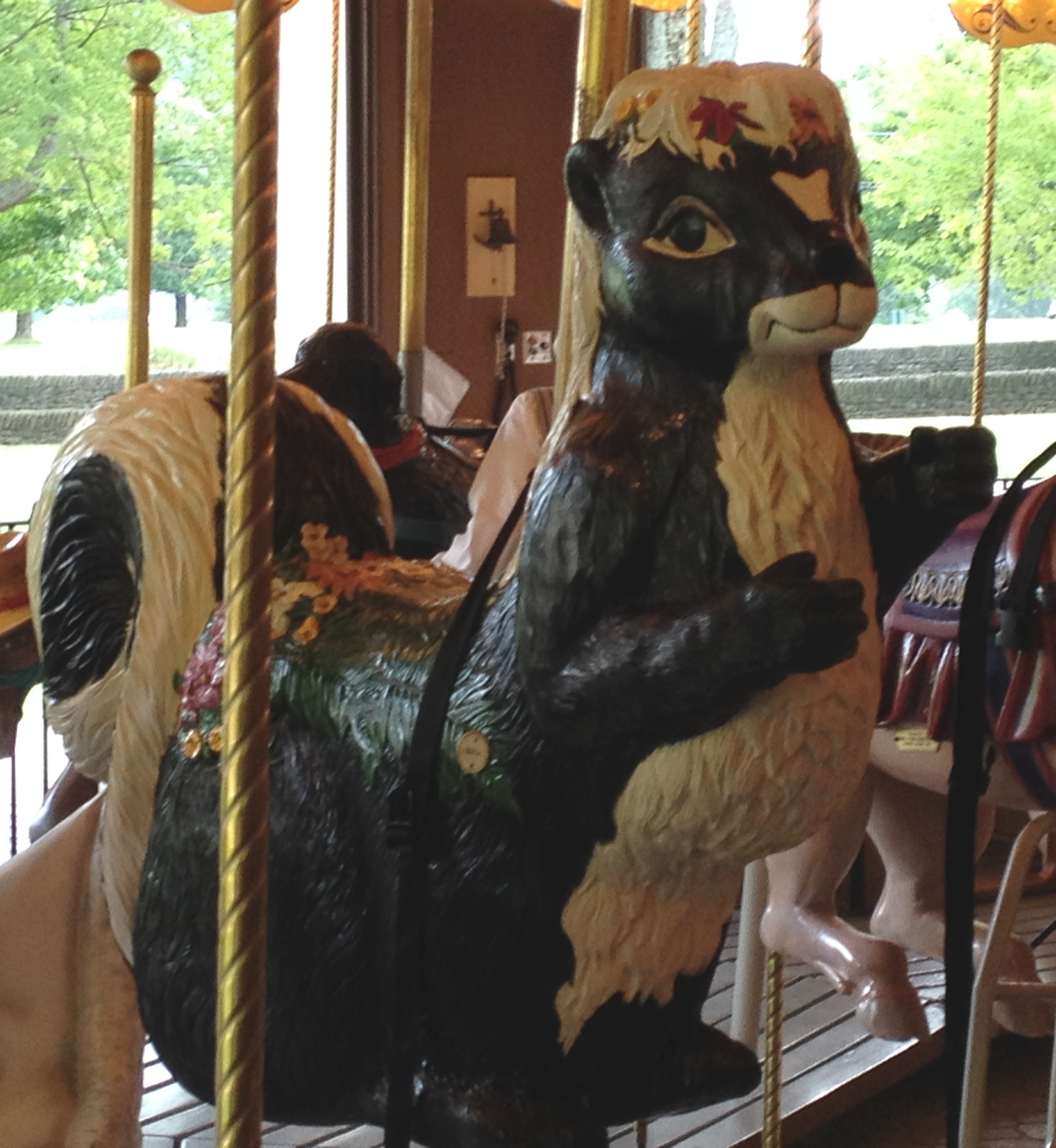 Third time refers to one more medical incident I won’t go into detail about and yes, I’m fine, but I am so over 2016. Far too many people passed whose work had meant a lot to me and that hurt. Too many people in this country have apparently lost their minds and that also hurts. I hope 2017 is a better year, but there is a chance, if for no other reason than the bar is so low.
Considering how things were going, it seemed very prudent for me to finally get that $#%# story finished and sent out. I had almost forgotten how freeing it feels to get a story out into the world. Once it leaves your hands you’re no longer bound to examine and second-guess yourself and what you did or should have done. It’s time to move on to the next project, and progress is always a potential in the next thing you do, never in what you’ve already done. That’s how progress works. Proud as I am of the work I’ve produced over the last few years—and I do think the story turned out well–the work I’m mostly excited about is what I’m going to do next, and that is the way it should always be, for all of us.
Interesting times are ahead, but then we’re interesting people. So buckle up, and don’t forget to tell your stories.
Happy Holidays.
 Richard Parks