
 For those of us by our natures who are forced to figure things out as we go, there’s a part of the creation timeline I’ve come to refer to as the “Fits & Starts” stage, which is rather where I am now. In a short story it usually doesn’t last very long if the story is going to work. A book, if you’ll pardon the expression, is another story. It can last for chapters at at time and often does. If it lasts more than that, well, that’s a problem.
Fortunately for me, my characters usually sort that stuff out themselves, once I’ve got a handle on them and what they’re up to. Yet sometimes it seems that this “sorting out” happens when they insist on talking to each other for extended periods. Sometimes these are the sorts of conversations that the eventual readers needs to be in on from the start. Sometimes not. Or as one of Ursula Le Guin’s early editors of what became the Earthsea Trilogy is alleged to have said–“Ged is talking too much!” With all due respect to everyone involved, I think I know why.
I definitely know the time will come when, after the sorting out period and rough draft period, there will eventually come the rewrite period, and at least some of these fascinating (to me) conversations will have to end up on the cutting room floor, so to speak. Pity? No. Pitiless. When something once served the book but no longer does, “When it’s a drag on the flow, it has to go.” It’s our job to write it, and our job to cut it if and when the time comes when sections of the prose no longer serve the story. Chunks of any given book are completely necessary for us to write, and absolutely useless, nay counterproductive, for the reader to slog through. It’s sort of a paradox, but there are a lot of them in this process, so you just go with it.
As others have rightly observed, writing and then disposing of these chunks of superfluous wordage is not a very efficient way to go about the job of writing a book, and I heartily agree. I might find myself in envy of those people who can work all this out in a detailed outline before they even start. Then again, writing a hundred page outline of a three hundred page book doesn’t strike me as all that efficient either. Maybe writing is not supposed to be “efficient.” Maybe it’s just supposed to be done, and any way you can do it is the absolute best way there is.
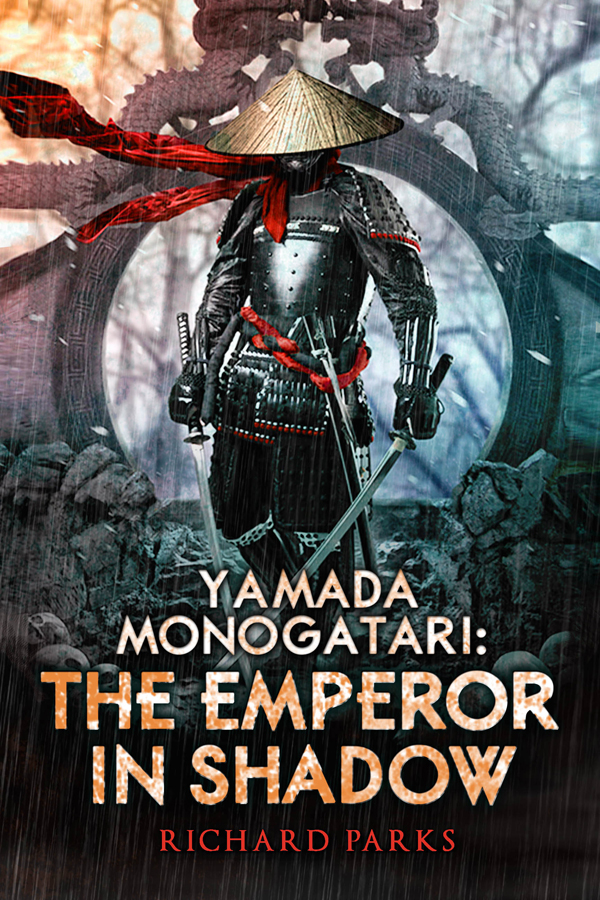

 I’ve been dropping annoyingly vague hints here and there, but now it’s all out in the open—I’ve apparently started a new fantasy series. I didn’t really plan to do it and I certainly didn’t think I was ready, but then I’m not always in charge. I know writers who strongly disagree with that perspective. “I’m in charge and my characters do what I say.” And that’s often true even with me, as in sometimes I am and sometimes they do. But for me it usually works out better when the characters do what they want and I just follow closely and mark it all down, then cut out the bit where they stared at the horizon for an hour just for the hell of it and add the bit where one of them tripped and fell into the icy stream. Just for the hell of it. Or maybe because they deserved it…ahem. Where was I?
 Richard Parks