Year End Summary

WRITING 02There was a time when any kind of year-end summary from me would consist mostly of what short stories I’d published and where. Maybe a long list is more impressive, but this year there are only a few things to report because most of the works are longer, which makes for fewer of them. Be that as it may, here they are:

The Manor of Lost Time, BCS #150, Special Double Issue, June 2014

The Sorrow of Rain, BCS #157, Sixth Anniversary Double Issue, October 2014

Prime-AuthorCopy3

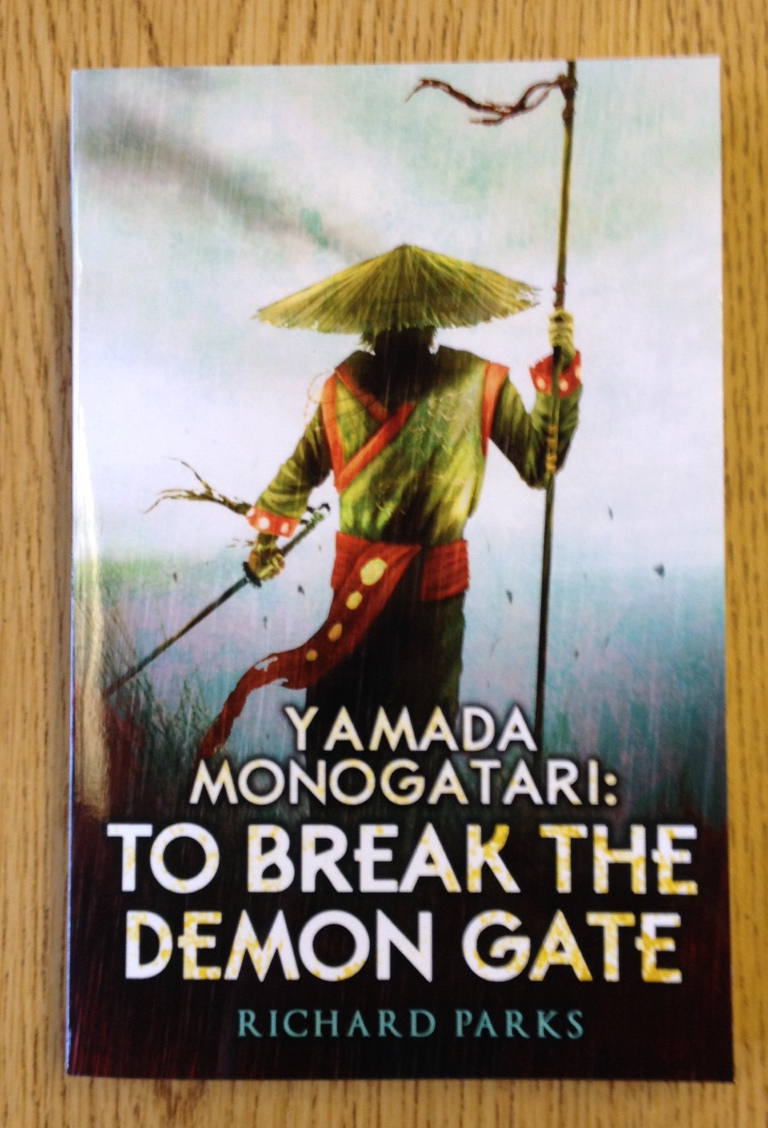
Yamada Monogatari: To Break the Demon Gate, TP,  Prime Books, November 2014


Yamada-PS-AuthorCopy

To Break the Demon Gate, Ltd. HC, PS Publishing, December 2014

Edited to Add: And after all that, I forgot this:

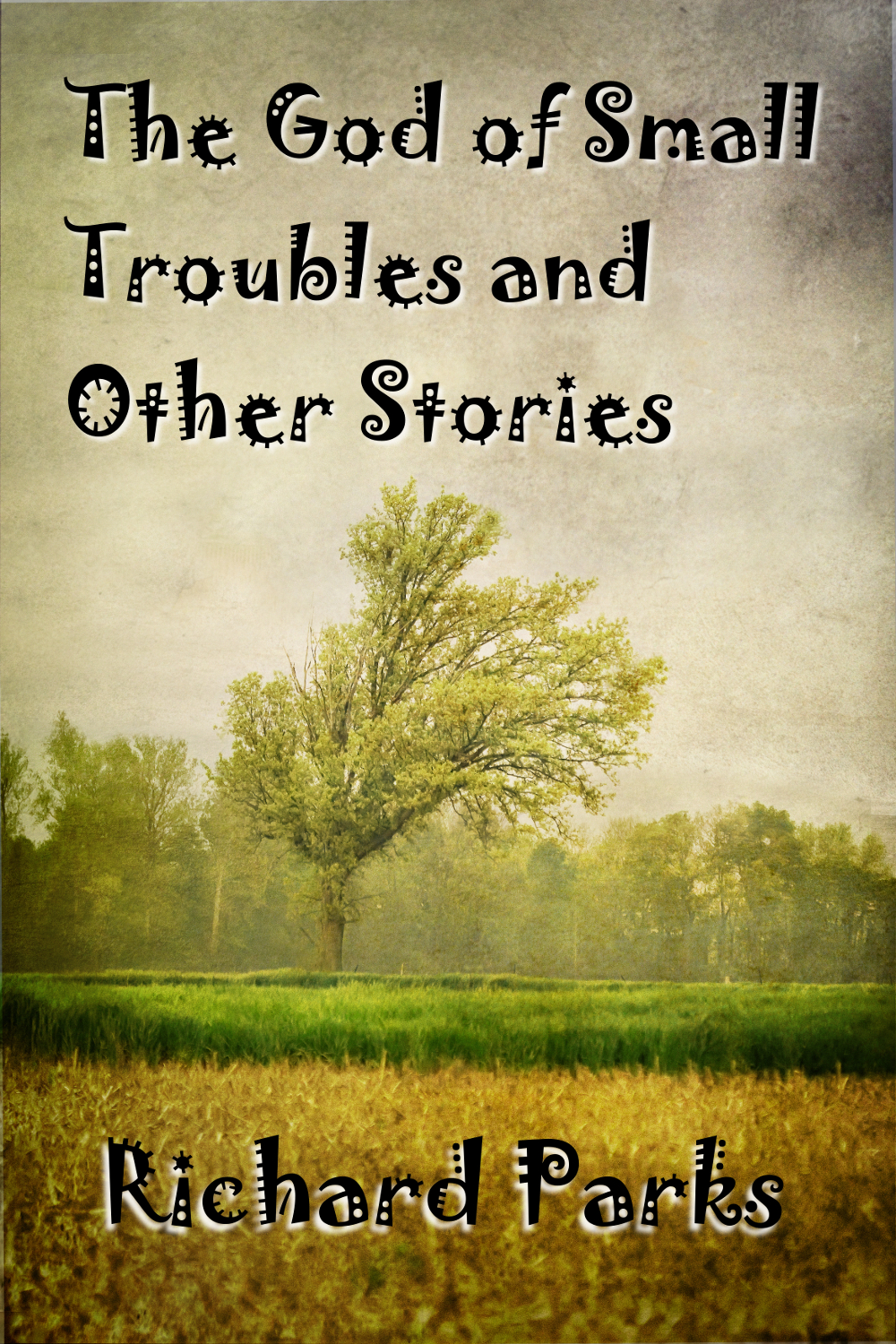
The God of Small Troubles

The God of Small Troubles and Other Stories, which includes:

The God of Small Troubles
Anchors and Sails
Olam Drexler’s School For Exceptional Children
Small Deaths
Miss Jean Takes a Walk

So that’s seven stories and two editions of the same novel. Not bad.


To Break the Demon Gate – 2nd Incarnation

Yamada-PS-AuthorCopy

This arrived yesterday in a big bag labelled “Royal Mail.” Author copies of To Break the Demon Gate, from PS Publishing. This is the limited edition. It’s a little unusual to have both the trade and limited edition of a new novel out at the same time, but that’s how it worked out. So we have a lovely hardcopy edition, a lovely signed and numbered hardcopy edition, and a colorful trade edition, in both print and ebook, and available in the usual places and B&N.

I have to say it’s a good time to be a reader. Options galore.

Yamada Monogatari: To Break the Demon Gate – Audiobook Release

Yamada_BTG_cover-V06b-PrimeNow that the paper edition of Yamada Monogatari: To Break the Demon Gate is in the wild, the Audible.com edition narrated by the incredible Brian Nishii will be relased on December 3rd, so for those of you who like listening to books when you’re busy with activities that don’t leave your hands free (Like driving. What did you think I meant?), this is for you.

MUSE and WRITER Dialogues #11A

Taylor312e-stand

FADE IN

A room that passes for an office. There are bookshelves on one wall, a motley assortment of carvings, signed storyboards, and framed magazine covers on the free wall space. On the far wall is a medieval-style heraldic wall display of a cockatrice and a banner in bad Latin “Pullus non Est.” Horizontal files sit beneath the window , and on top of those there used to be a free-standing rack holding Japanese swords, only they had to be removed because of the cats. The computer desk is on the wall nearest the door, facing away from the window. Beside that is a printer on a stand. In the base of that is a PC and PS3, not currently in use. WRITER is practicing chord changes on an acoustic guitar.

MUSE enters. From somewhere. She’s in Greek Goddess mode.


MUSE: I hate to say this, but you really suck as a guitar player.

WRITER: Nonsense.

MUSE: No, I mean it—you really do suck.

WRITER: Sure. But that part about hating to say it? Rubbish.

MUSE: So you admit that you suck at guitar?

WRITER: As I recall, I’ve admitted it on several occasions. What’s your point?

MUSE: So Why do you keep doing it?

WRITER: I’ll probably stop sooner or later. I have a habit of finding an intense interest that fades after a while, then I’m on to the next one. You know that.

MUSE: It’s been two years.

WRITER: “A while” is not a rigid timeframe. Might be two and half years. Might be twenty, if I live that long. Who knows? I don’t.

MUSE: So why are you wasting your time?

WRITER: I’m doing something I still enjoy. How is that a waste of time?

MUSE: It’s not even as if you’re making progress. You still can’t play a tune worth a darn.

WRITER: I beg to differ.  When I started, I was butchering songs like “Tom Dooley.” Now I’m butchering “Bad Moon Rising” and “Sitting on the Dock of the Bay.” I call that progress.

MUSE: If you were working on your book as you should be I’d call that progress. This? Not so much.

WRITER: The book’s going fine. I’m happy with it. But it’s day’s end and I don’t have anything left for it. So now it’s guitar, with what little strength remains to me.

MUSE: You have no musical talent and a poor sense of rhythm. About the only good thing I can say is–at least you’re not tone-deaf.

WRITER: What part of “I know that” don’t you understand?

MUSE: Apparently, all of it.

WRITER: It took me nearly twenty years to become a half-way decent writer. Are you going to tell me I have no talent now?

MUSE (reluctantly): No.

WRITER: You did then.

MUSE: Oh. Right.

WRITER: Always listen to your Muse. Just understand that she doesn’t always know what she’s talking about.

MUSE: I’m right about you and guitar.

WRITER: Absolutely. But I know that, someday, there’s a chance that you won’t be.

MUSE (shrugs): It happens.

WRITER: More than enough reason not to give up a dream. At least, not today.

MUSE: Have it your way. But stop pretending that an Fmajor7 is the same as an Fmajor. At least get the chord you’re mangling right.

WRITER: Working on it. It’s what I do.


END

The Ogre’s Wife: Fairy Tales for Grownups, Obscura Press Edition–OOP

Front_cover3If you follow the link to the Amazon page for The Ogre’s Wife: Fairy Tales for Grownups (TOW) at Amazon, you may note its status reads “Temporarily Out of Stock.” The fact is, other than whatever copies might be floating around with dealers—not many, I’m thinking—and not counting the few copies I still have, that edition is now officially Out of Print. The original publisher of TOW, Obscura Press, had been moribund for some time but finally decided to pull the plug on the operation. I’d been in contact with Gordie and knew this was coming. Frankly, I’d expected it to happen a lot sooner.

TOW was my first collection of stories, a World Fantasy Award finalist in 2003, and I was and am very proud of it. The book came out when PoD (Print on Demand) was just taking off, and PoD was a boon to small publishers who now didn’t need to sacrifice cash flow to print large numbers of books. The PoD outfit would print them instead, and only when orders were in. You’d start with a print run of maybe 250 or so for review copies and initial orders. It was ideal for shoestring operations and a lot of them sprang up and withered just as quickly, since they only lasted as long as the publisher’s enthusiasm and disposable income held out—even with the new technology, most of them weren’t money makers. Obscura did better than many, publishing books by Mike Resnick, among others. When Gordie offered to do my first collection–which so far as I knew would be my only collection–I couldn’t say yes fast enough, and it was a decision I’ve never regretted.

Regardless, it was once said of PoD books that part of their beauty was that they’d never go out of print. Wrong. It still takes a certain outlay to keep a book in the pipeline at a printer like Lightning Source and even though the print edition of TOW still sold a fair number of copies each year, the tipping point for Obscura finally came.

It’s not a bad thing. I already did the ebook edition on my own because I was dealing with a publisher who never claimed any rights that weren’t in the original contract. The ebook (Kindle, Nook, etc.) is still around. Now the print rights have reverted to me as well and I’ll eventually do a new print edition, probably through Createspace or the like. Likely with a new cover to differentiate it, and probably with some of the additional material I included in the ebook. But I’ll pause for a moment to acknowledge the passing after twelve years to Out of Print status of my very first book.