And Now We are Four

Now that I’ve got them all together and out–or soon, in the case of the print edition of The Emperor in Shadow, I thought it might be sensible to list the entire Yamada Tetralogy, with links. Because I’m all about convenience.


Yamada_DH_FinalCover_smlYamada Monogatari: Demon Hunter


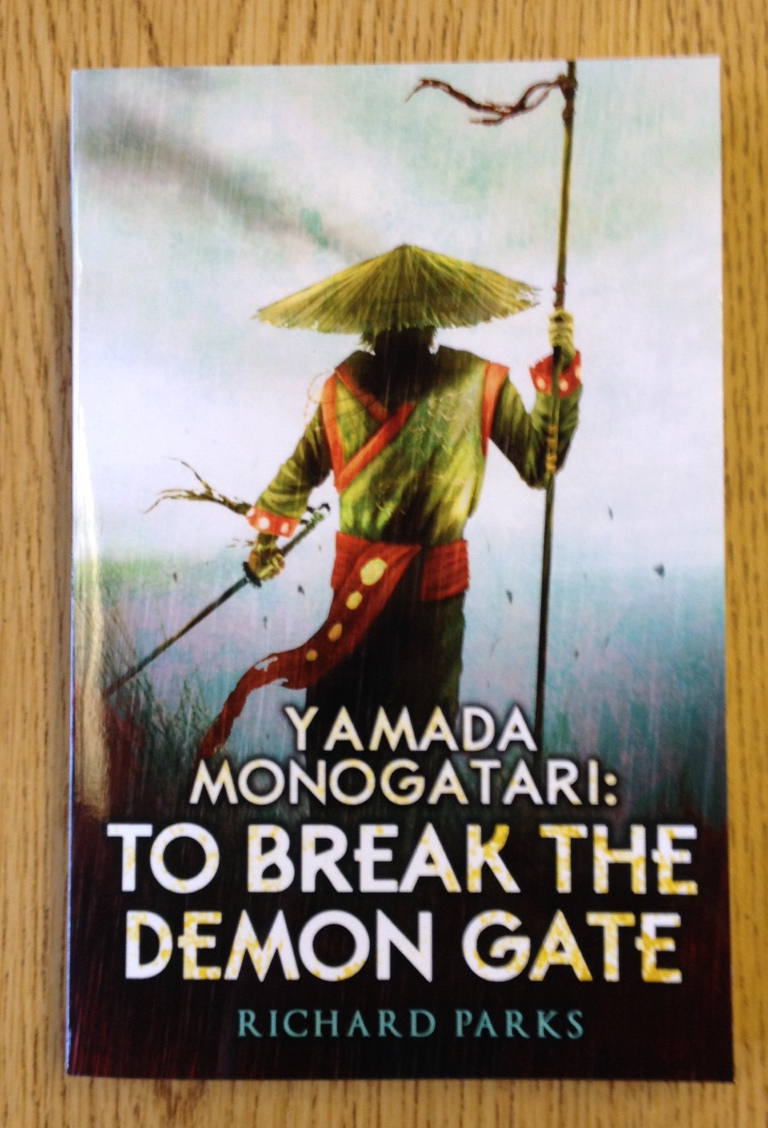
Prime-AuthorCopy3 Yamada Monogatari: To Break the Demon Gate


The War Gods Son-First SightingYamada Monogatari: The War God’s Son


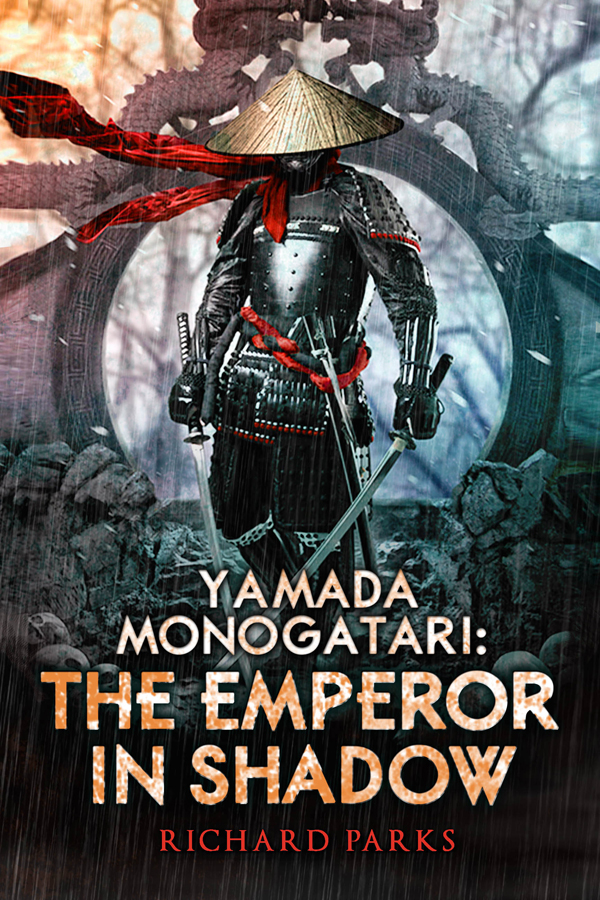
YamadaEmperor-600Yamada Monogatari: The Emperor in Shadow

Yamada Monogatari: The Emperor in Shadow Ebook Live

YamadaEmperor-600We interrupt whatever this normally is for a strictly commercial announcement: Yamada Monogatari: The Emperor in Shadow is now live on Kindle, Apple/iTunes, and Nook. It’s a little unusual for the ebook edition to be available before the print edition goes live, but this time those preferring their reading on the screen will get a headstart. Enjoy!

Slightly Political, More Practical

New ImageA post slightly political but more toward the practical, I believe. I see the same argument that’s being put forth for Trump at a more local level. Someone running for Congress in our district runs ads basically saying, “I’m a good businessman, so you should elect me.”

No. In fact, Hell to the No.

The problem with the idea “Government should be run like a business” is simply Government is not a business, never was a business and never should be run like a business. The purpose of a business is to make money, either for its owners if it’s privately held or its stockholders, which in either case is a very small percentage of people relative to the total population. Anything else is PR. The purpose of a government, and specifically a democratically elected government, is precisely the opposite–to create the greatest good for the greatest number of its citizens. This is completely at odds with what are considered good business principles. In the preamble to the Constitution, this was spelled out about as explicitly as it could be. It says a lot about providing for the common defense and promoting the general welfare of its citizens. It doesn’t say much about the virtues of corporate welfare and shifting the tax burden to the poor and middle class. And don’t tell me that business people “know how to create jobs,” because they don’t, and this is one of the most pernicious myths surrounding the business class. Businesses hire people to meet demand for their goods or services. If there’s no demand, there’s no hiring, and giving them bigger tax breaks doesn’t change that. A viable middle class with money to spend fuels demand and creates jobs, and if big business in this country has done anything, it’s squeezed wages and guided tax law in the name of its own profit until the middle class is practically extinct, then wonders why business isn’t better

If you want my vote, don’t tell me how good a business person you are. Tell me how you plan to make a difference and how hard you’ll work for all the people you represent. Then and only then do you have my attention.

Fresh From the Box

Fresh From the Box

Fresh From the Box

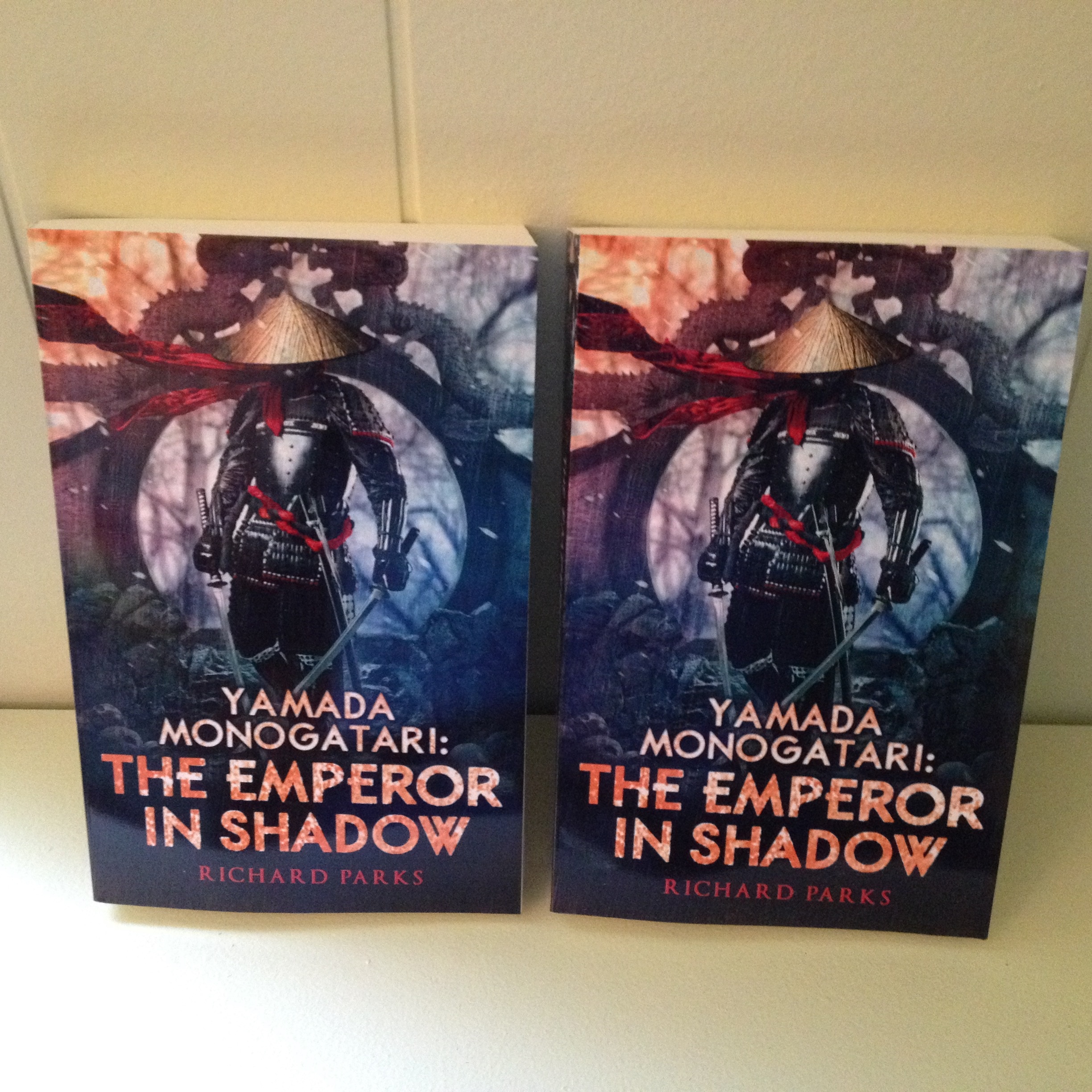
I guess you could call it a perk of being the author that you get to see the books straight from the printer instead of, you know, actually waiting for the publication date. Only the irony of seeing them first is that I’ve already read the darn thing. Multiple times. I do consider it a good thing that they exist, and will soon be going into sales channels and possibly a B&N near you.

My thanks to the publisher, Sean Wallace, and the editor, Paula Guran of Prime Books for making it happen.

Review– Eric Clapton, the Autobiography

Review: Clapton, the Autobiography
Hardcover, 343 pages
Published October 9th 2007, Broadway
It always feels a little odd to write a review of an autobiography. It’s rather like writing a review of someone’s life, and if that’s not a scary thought, you’re probably not paying attention. Sure, it’s simply the expression of one life from the viewpoint of the one who lived it, not the actual life. For something more objective, I’d look to any biography done by someone who wasn’t an absolute acolyte of the subject. When the one who tells the story is the one who was there, “objective” isn’t what you look for. When the subject is someone like Eric Clapton, it’s more a chance to ask the implied question–“What were you thinking?”

That’s what you get here, and more besides. I didn’t know, for instance, that Clapton was born out of wedlock and effectively abandoned by his mother, who went on to form another family that didn’t include him. Considering some of what happened in his future relationships with women, amateur psychologists would have a party with that snippit, and likely already have. I just know that the man has had an extremely interesting life. The term “guitar god” was practically invented for Clapton, even though there were plenty of earlier players who could lay claim to the title, and he lived the life of one, and damn near died the death of one. The story of how he pulled himself out of the downward spiral of drugs and alcohol when so many of his peers never made it is worth the price of admission alone.

Your average biography will give you Clapton the Rock Star, Clapton the Guitar God, Clapton the hard-partying celebrity. While this book doesn’t ignore those things–and how could it?–this is the book that gives you Eric Clapton the man. Which, to me, is a lot more interesting. Oh, and if you ever wanted to hear the story behind the love triangle that led to the classic song “Layla,” as told by one of the–admittedly biased–people who were there, this too is the place. That’s what an autobiography is for. It’s what happened, from the writer’s own point of view. Sometimes inadvertently saying more than it perhaps intended, but whether the case or not, all part of the same story.